
Research & Development
Centre for Research and Development
Serving society by promoting high-quality research, innovation and technology development on par with global standards — across publications, patents, consultancy and sponsored research.
research@krct.ac.in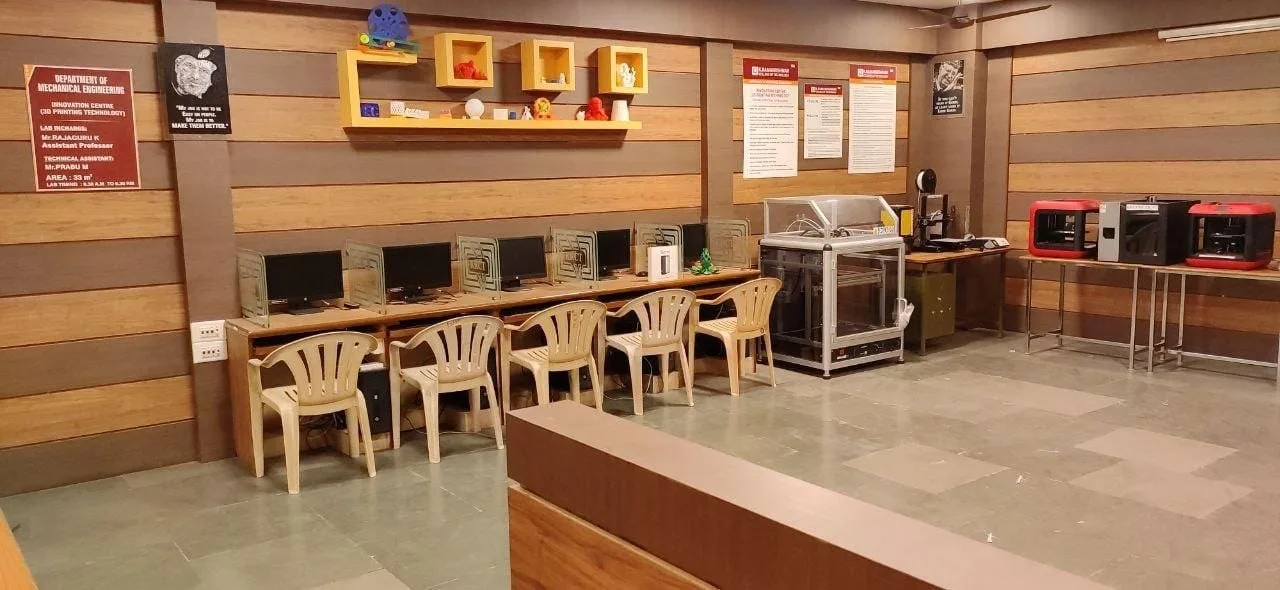
1,510
Scopus Indexed Papers
17,100
Scopus Citations
58
H-Index
5
Research Centres
58
Doctorates
₹39.61 L
Funding Secured
About the Centre
Overview.
Vision
To serve society by promoting high-quality research, innovation, and technology development on par with global standards.
Mission
- To promote excellence in multidisciplinary research and innovation.
- To facilitate collaborative research with academia, industry, and research organisations.
- To encourage quality publications, patents, and technology commercialisation.
The People
CFRD Team.
Research faculty and departmental coordinators of the Centre for Research and Development.
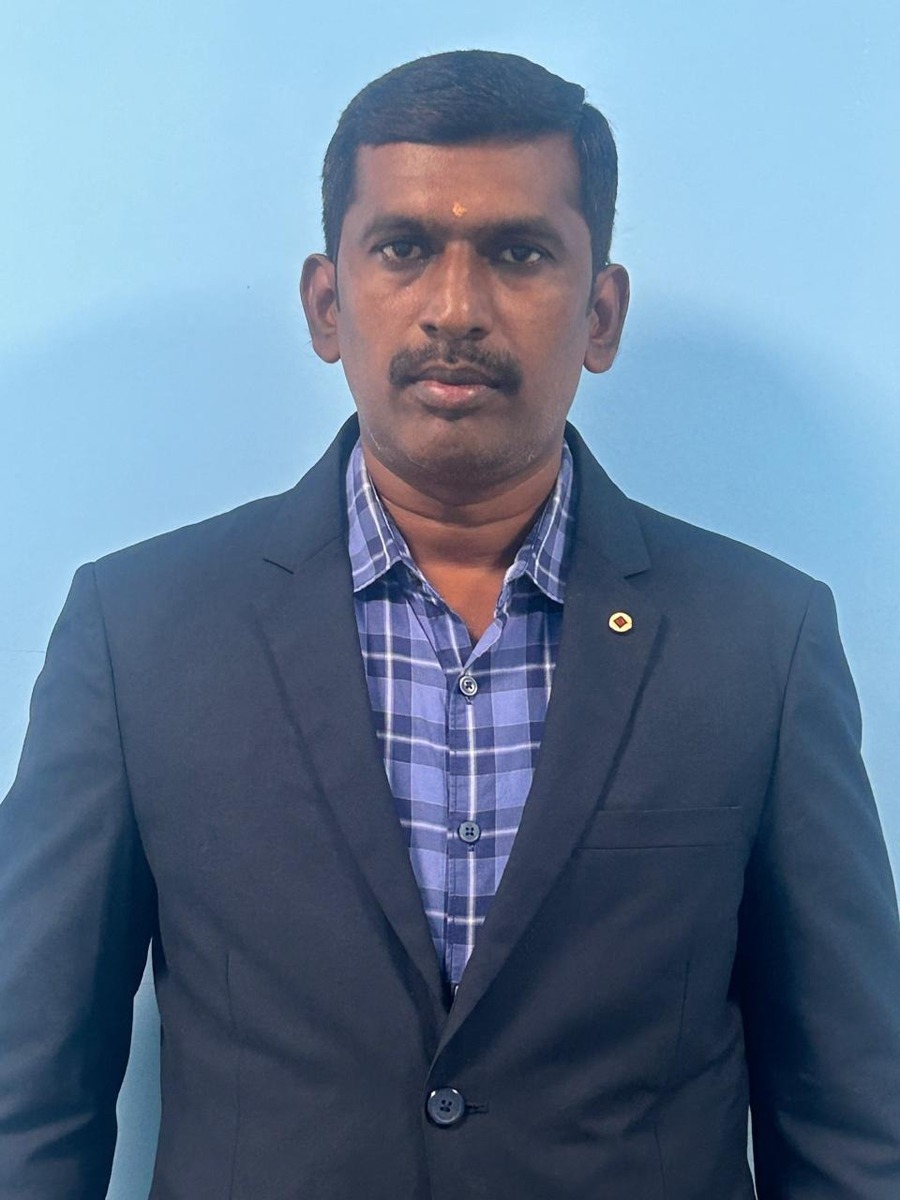
Dr. V. Vijayan
Professor / Mechanical Engineering
Head, CFRD
More info about Dr. V. Vijayan (opens in a new tab)
Dr. M. Deepan Kumar
Assistant Professor / Chemistry
Research Faculty
More info about Dr. M. Deepan Kumar (opens in a new tab)
Dr. M. Velmurugan
Assistant Professor / Chemistry
Research Faculty
More info about Dr. M. Velmurugan (opens in a new tab)
Dr. V. C. Bharath Sabarish
Assistant Professor (SG) / Physics
Research Faculty
More info about Dr. V. C. Bharath Sabarish (opens in a new tab)
Dr. M. Manikandan
Assistant Professor (SG) / Physics
Research Faculty
More info about Dr. M. Manikandan (opens in a new tab)
Mr. A. Manjunathan
Assistant Professor / ECE
Research Faculty
More info about Mr. A. Manjunathan (opens in a new tab)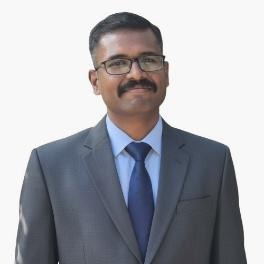
Dr. R. Madhavan
Assistant Professor / EEE
Dept. Coordinator
More info about Dr. R. Madhavan (opens in a new tab)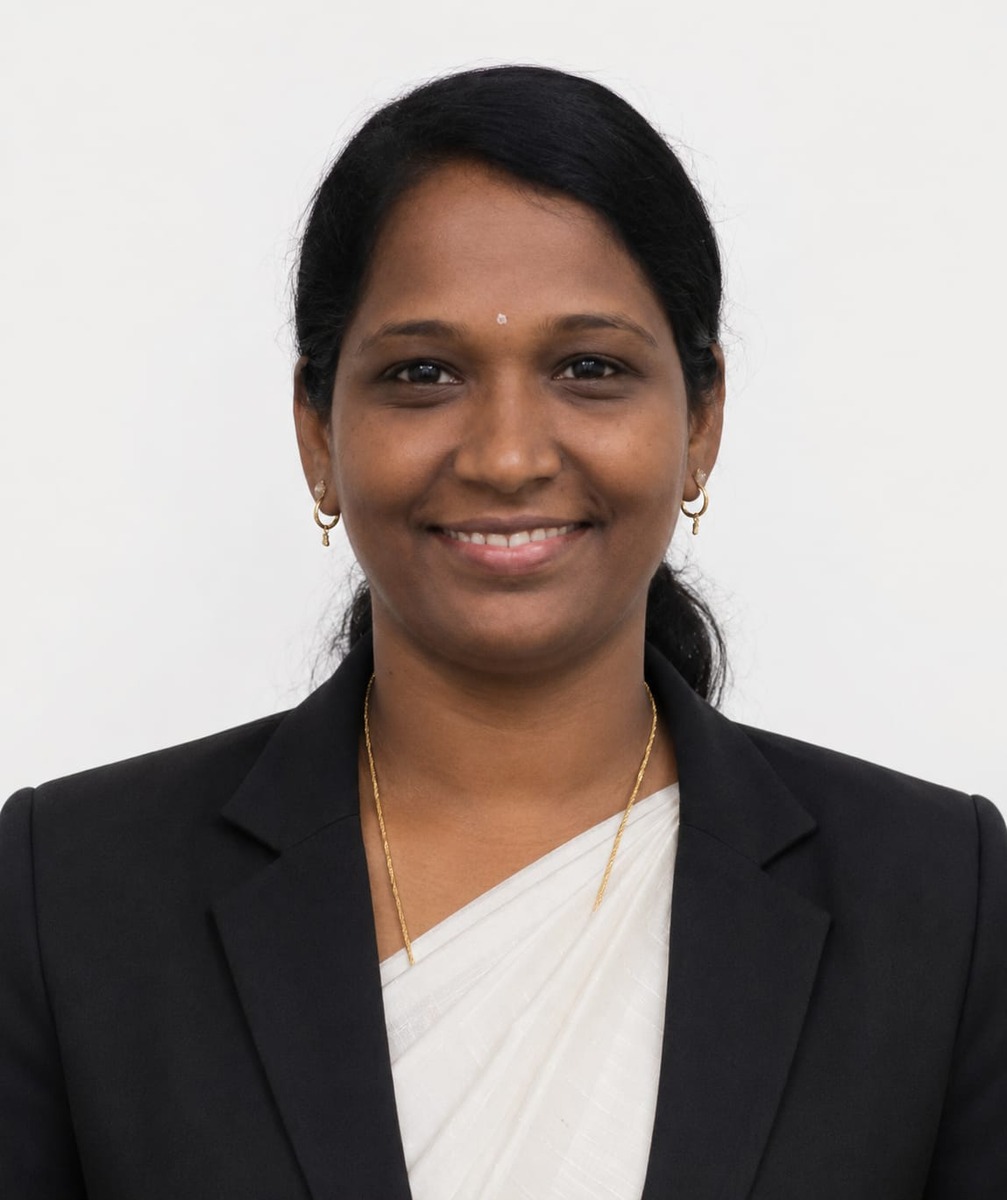
Dr. S. Hemavathi
Associate Professor / Civil
Dept. Coordinator
More info about Dr. S. Hemavathi (opens in a new tab)
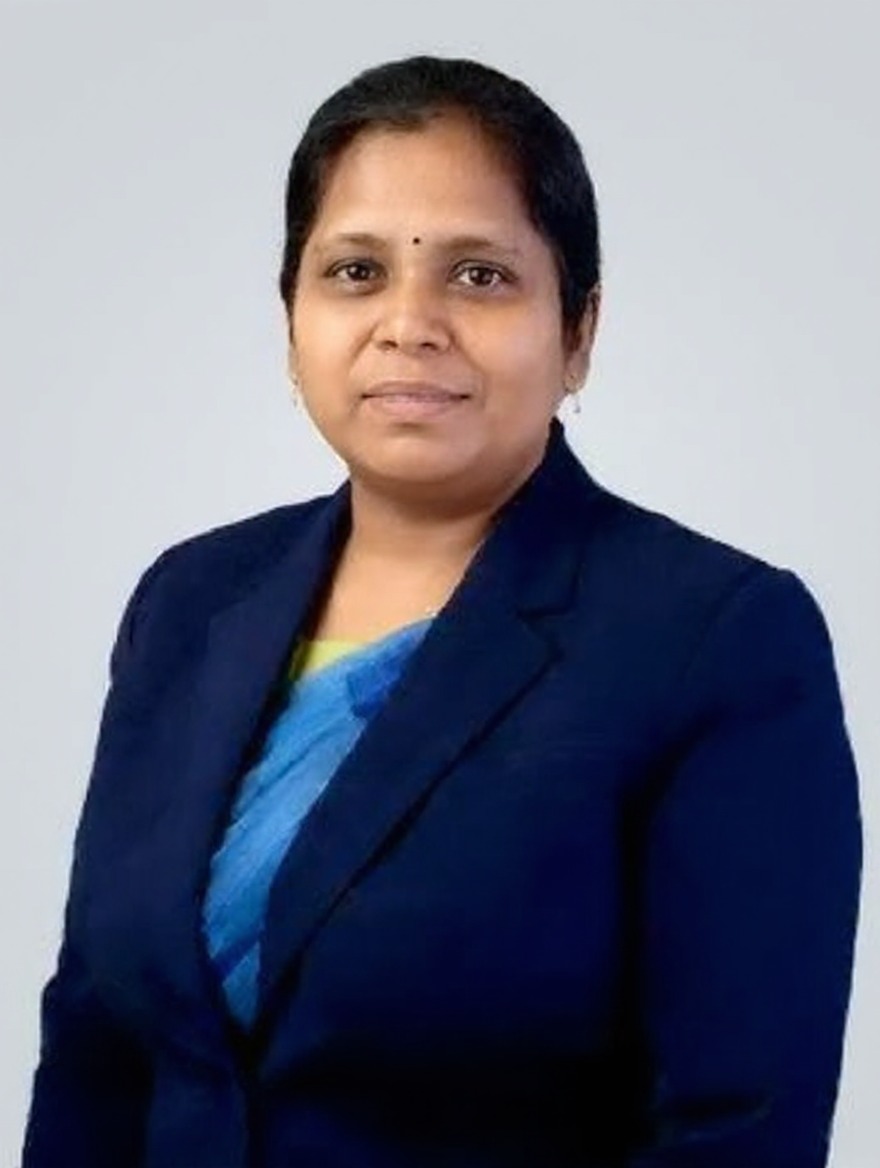
Dr. A. Punitha
Professor / ECE
Dept. Coordinator
Mrs. K. Vallipriyadharshini
Assistant Professor / CSE
Dept. Coordinator
More info about Mrs. K. Vallipriyadharshini (opens in a new tab)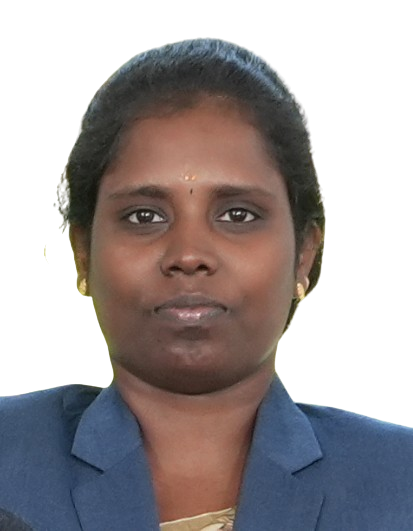
Mrs. M. Ramalakshmi
Assistant Professor / IT
Dept. Coordinator
More info about Mrs. M. Ramalakshmi (opens in a new tab)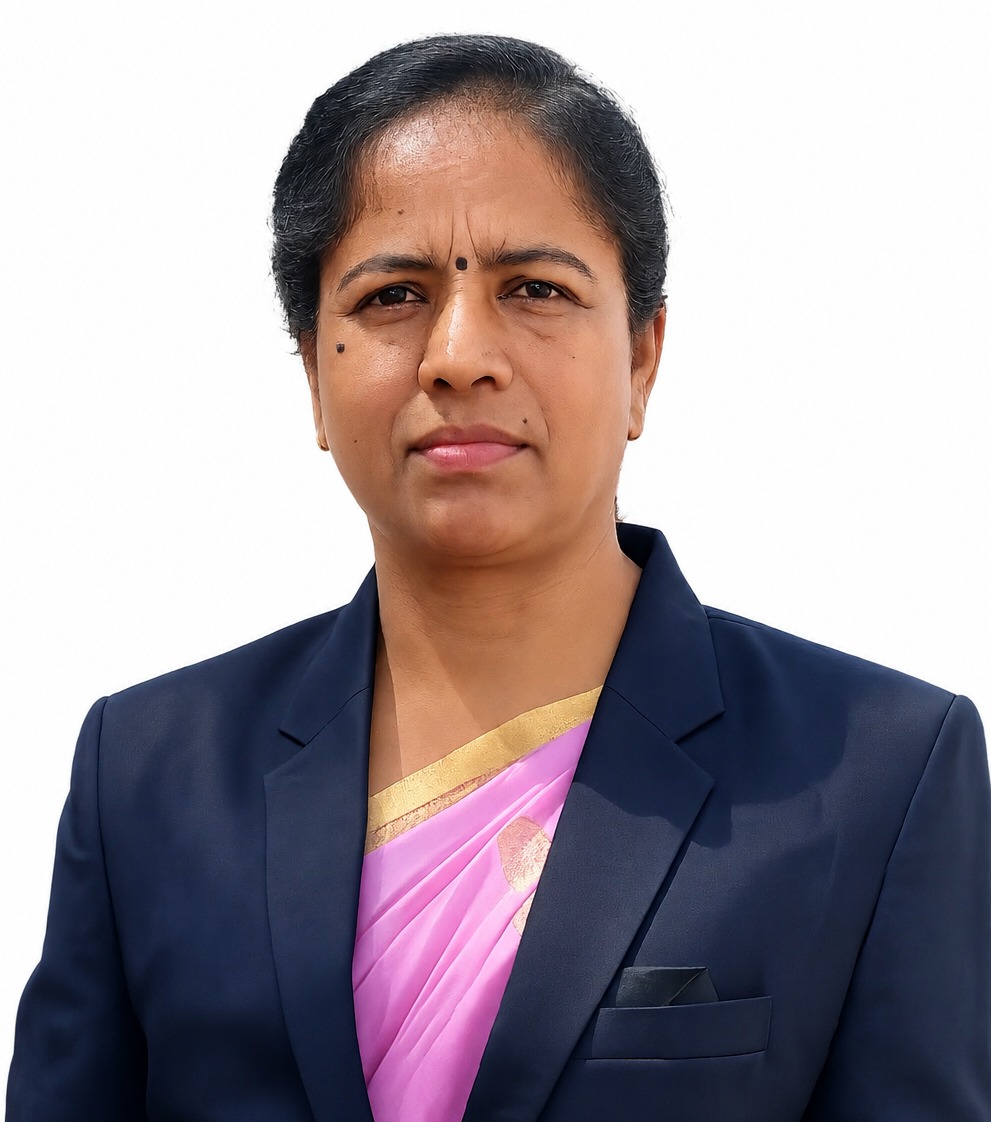
Mrs. Ganga Naidu
Assistant Professor / AIDS
Dept. Coordinator
More info about Mrs. Ganga Naidu (opens in a new tab)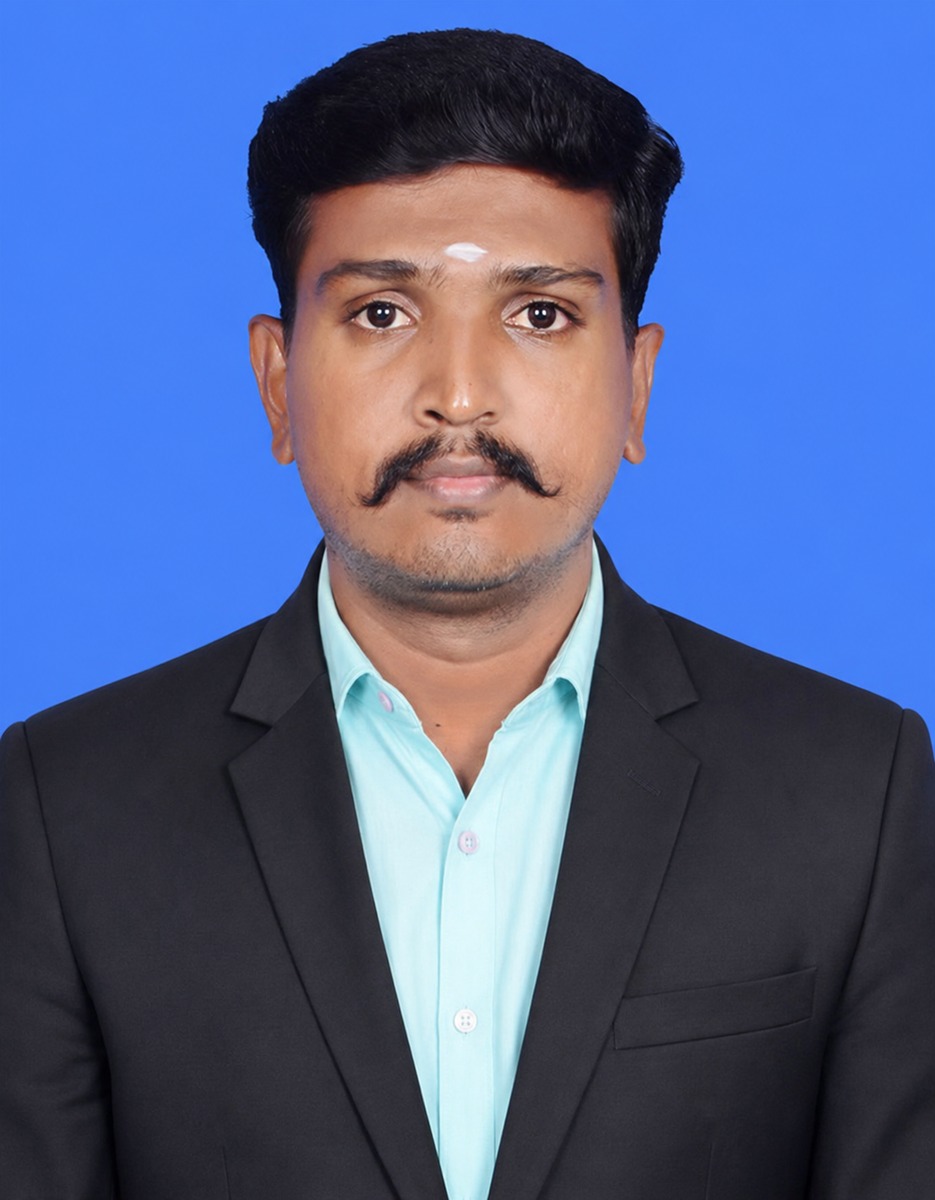
Dr. R. Yokeswaran
Assistant Professor / Mechanical
Dept. Coordinator
More info about Dr. R. Yokeswaran (opens in a new tab)
Dr. S. Malathi
Assistant Professor / Maths (S&H)
Dept. Coordinator
More info about Dr. S. Malathi (opens in a new tab)Standard Operating Procedures
Research Policy.
Objectives
- The main objective of journal publication is professional context; authors use journal articles to communicate scientific research findings to readers. The major goal is to disseminate scientific knowledge.
- To share new knowledge and discoveries with researchers, practitioners, and the public.
- To contribute to the progress of science, technology, and various fields of study by publishing well-researched and peer-reviewed articles.
- To provide a platform for researchers to validate their work through peer review and gain recognition from their peers.
- To facilitate communication and collaboration among researchers and professionals within and across disciplines.
- To support the career development of researchers by providing a record of their scholarly achievements and contributions.
Standard Operating Procedure
- 1
Faculty members are expected to publish research papers as per the target given below.
- 2
Publications in Q1, Q2, Q3, Q4 and conferences indexed in the Scopus database will be considered.
- 3
Publications should include citations as per institute research policy in all student and faculty journal publications.
- 4
All final-year engineering UG/PG projects shall be converted into SCI/Scopus-indexed publications.
- 5
Progress will be monitored through a quarterly review meeting.
- 6
Research incentive will be provided as per the tables given below.
Publication Targets
Targets for faculty members as per their qualifications.
| Departments | Faculty | Target |
|---|---|---|
| All Engineering Departments, Physics, Chemistry, and MCA | Ph.D holders |
|
| All Engineering Departments, Physics, Chemistry, and MCA | Non-Ph.D holders |
|
| English, MBA and Maths | Ph.D holders |
|
| English, MBA and Maths | Non-Ph.D holders |
|
Incentives for quartile publications, paid on publication in journals indexed in SCI/SCIE.
Q1 Quartile
| Criterion | Amount |
|---|---|
| First author / Corresponding Author — more than 10 Impact Factor journals indexed in SCI/SCIE | ₹30,000 |
| First author / Corresponding Author — 5–10 Impact Factor journals indexed in SCI/SCIE | ₹25,000 |
| First author / Corresponding Author — less than 5 Impact Factor journals indexed in SCI/SCIE | ₹20,000 |
| Co-authors with Impact Factor journals indexed in SCI/SCIE | ₹7,500 |
Q2 Quartile
| Criterion | Amount |
|---|---|
| First author / Corresponding Author with Impact Factor journals indexed in SCI/SCIE | ₹15,000 |
| Co-authors with Impact Factor journals indexed in SCI/SCIE | ₹5,000 |
Q3 Quartile
| Criterion | Amount |
|---|---|
| First author / Corresponding Author with Impact Factor journals indexed in SCI/SCIE | ₹10,000 |
| Co-authors with Impact Factor journals indexed in SCI/SCIE | ₹4,000 |
Q4 Quartile
| Criterion | Amount |
|---|---|
| First author / Corresponding Author with journals indexed in SCI/SCIE | ₹7,500 |
| Co-authors with journals indexed in SCI/SCIE | ₹3,000 |
Objective
Patent publications make inventions public knowledge, which helps advance technology and industry.
Standard Operating Procedure
- Publication of a utility/design patent will be considered for PbAS.
- All faculty members are expected to publish a minimum of 1 patent per year.
- All minor projects of second and third year shall be converted into patents.
- All patents should be published through the IPM cell to be considered.
- Each department is advised to identify a minimum of three projects at second-year level to publish the patent, and the same may be granted before completion of their third year. Granted patents may be converted into product prototypes for commercialisation.
- Each department is expected to commercialise a minimum of 1 granted patent per year.
- Departments may commercialise the patent through their start-ups.
Objective
To find suitable opportunities for applicants who deposit their curricula vitae, résumés and other supporting documents with the centre.
Standard Operating Procedure
- All engineering and non-engineering departments can undertake industrial consultancy such as new product development, product design, and software and hardware design.
- All engineering and non-engineering departments are requested to complete consultancy project work for a minimum amount of ₹2 lakhs.
- For any consultancy work / sponsored research project, the surplus amount will be shared in the ratio 70:30 between the employee and the institute. Revenue generated from our own students and staff is not considered revenue from consultancy.
Claiming the Consultancy Share
The procedure an employee follows to claim their 70%.
- 1
Facility creation / identification of industry through MoU or Skill Lab
- 2
Work order received from company / individual
- 3
Carry out the work defined by the industry / individual
- 4
Submit the report
- 5
Evaluation done by the industry
- 6
Sanctioned amount transferred to the institution
- 7
Faculty who complete the consultancy work approach the finance office to confirm the fund transfer
- 8
Faculty request the R&D office with work order confirmation, payment proof, report and photos
- 9
R&D office evaluates and gives its recommendation to the Principal
- 10
Approval from the Principal, then approach the office for 70% of the fund
Objective
A research proposal helps the researcher define the contents of, plan and execute a research project. It also informs potential collaborators and supporters about the topic, and can be submitted to agencies for possible funding.
Standard Operating Procedure
- All departments are expected to get a minimum of one fund from government agencies per calendar year.
- A quarterly awareness programme will be conducted to motivate faculty towards sponsored research.
- Faculty can submit the project proposal to agencies after getting approval from the Head/Research of the institute.
- The Head/Research will constitute an expert committee including an external expert (if required) to evaluate the proposal. The Head/Research will recommend the proposal based on the evaluation report.
- All departments are expected to concentrate on research grants for organising workshops / seminars / conferences / FDPs from government agencies.
Student Project Publications
- All second-year and third-year projects will be converted into patent publications.
- All final-year projects will be converted into SCI/Scopus publications.
- Second-year design thinking projects are called community service projects.
- Review meetings will be conducted by the department as per the departmental schedule, communicated to students before the semester starts.
- Departments are expected to ensure a minimum of 30% of projects are interdisciplinary and 10% are from government agencies such as DRDO / ISRO / NAL / HAL / BSNL.
- Departments are expected to sign a minimum of one MoU with an NGO for problem statements.
- Industry experts / alumni may be involved in all final-year student projects as mentors / reviewers.
- Rubrics for final-year projects and community service projects are as per IQAC guidelines.
Note
All research metrics are considered for the calendar year (January – December).
Recognised Centres
Research Centre Details.
Departments with recognised research centres and their approved supervisors.
Mechanical Engineering
7 approved supervisors
Electronics and Communication Engineering
4 approved supervisors
Electrical and Electronics Engineering
3 approved supervisors
Physics
2 approved supervisors
Chemistry
2 approved supervisors
Laboratories
Research Facilities.
Laboratories available to research scholars and faculty across the centres.
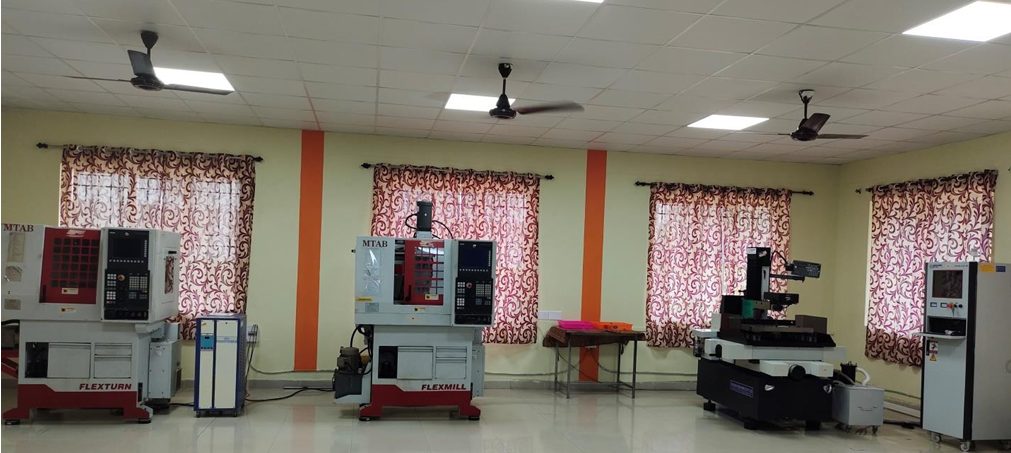
Manufacturing & Materials
Energy
Chemical & Physical Sciences
Equipment photographs and specifications for each laboratory will be added as the departments supply them.
Outcome
Publication.
Year-wise research papers published by faculty and scholars.
| Year | Papers | Relative volume |
|---|---|---|
| 2026 * | 126 | |
| 2025 | 273 | |
| 2024 | 213 | |
| 2023 | 215 | |
| 2022 | 227 | |
| 2021 | 138 | |
| 2020 | 176 | |
| Total | 1,368 |
* 2026 is a part-year figure. Year-wise paper listings will be published here once the centre supplies them.
Grants & Sponsorship
Funding.
Projects, lab establishments, FDPs, seminars and workshops funded by external agencies — ₹39,61,024 sanctioned across 9 awards.
| Investigator | Dept | Agency | Type | Title | Amount | Duration |
|---|---|---|---|---|---|---|
| Dr. V. Vijayan | Mech | ANRF : TARE Fellowship | Project | Investigating the feasibility of wire arc additive manufacturing process for bio-implant applications | ₹18,50,000 | 2024–2027 |
| Dr. A. Kavitha | ECE | AICTE – MODROBS | Lab Establishment | Modernization of VLSI Lab | ₹13,51,524 | 2021–2022 |
| Dr. S. Syedakbar | ECE | Anna University | FDP | MIC & RF System Design | ₹31,500 | 2023–2024 |
| Dr. S. Syedakbar | ECE | TNSDC | FDP | Water Distribution Using EPANET · Sustainable Food Product Development | ₹1,02,000 | 2024–2025 |
| Dr. S. Syedakbar | ECE | TNSDC | FDP | PCB Design Using Fusion · EV Battery Design | ₹1,50,000 | 2025–2026 |
| Dr. S. Syedakbar, Dr. S. Monisha | ECE | AICTE – VAANI | Workshop | Next-Generation Antenna Technologies Spanning mmWave to Terahertz for B5G Applications | ₹2,00,000 | 2026–2027 |
| Dr. M. Kavitha | ECE | IEI | Seminar | Real-time applications of image processing | ₹86,000 | 2023–2024 |
| Dr. M. Kavitha | ECE | SERB | Seminar | VLSI based image processing | ₹1,00,000 | 2023–2024 |
| Dr. S. Sujatha | Civil | SERB | Seminar | Emerging Contaminants: Unveiling Environmental Threats to Human Health, Ecosystems, and Water Quality | ₹90,000 | 2023–2024 |
| Total sanctioned | ₹39,61,024 | |||||
AICTE Programme
Quality Improvement Policy.
The Quality Improvement Programme (QIP) was launched by the Government of India in 1970. The scheme aims at enhancing the technical expertise and competencies of teachers working in AICTE-approved degree-level engineering institutions.
The programme is funded by AICTE; implementation and monitoring are the responsibility of the National QIP Coordination Committee (NQCC). There are nine major QIP centres — IISc Bangalore and the IITs at Bombay, Delhi, Guwahati, Kanpur, Kharagpur, Madras, Roorkee and Varanasi — in addition to 74 minor centres.
Objectives
- To advance the skill-set of faculty members of AICTE-approved degree-level engineering institutions.
- To upgrade the quality of research studies carried out by scholars through effective financial assistance.
- To elevate the outcome of research investigations by providing opportunities to teachers for improving their qualifications.
AICTE – QIP PG Certification Programme
Faculty who have completed certification under the programme.
| Faculty | Dept | Course | Organisation | Year |
|---|---|---|---|---|
| Dr. V. Vigneshkumar | Mech | 3D Printing | IIT Palakkad | Dec 2024 |
| Dr. T. S. Senthilkumar | Mech | 3D Printing & Additive Manufacturing | IIIT Trichy | Dec 2024 |
| Dr. R. Yokeswaran | Mech | 3D Printing & Additive Manufacturing | IIIT Trichy | Dec 2025 |
| Mr. S. Vigneshkannan | Civil | 3D Printing & Additive Manufacturing | IIIT Trichy | Dec 2025 |
| Dr. A. Punitha | ECE | Machine Learning and Cyber Physical Systems | IIIT Trichy | Dec 2025 |
Get in Touch
Contact.
Head, CFRD
Dr. V. Vijayan
M.E., Ph.D., MISTE.
Professor
Department of Mechanical Engineering
K. Ramakrishnan College of Technology (Autonomous)
Samayapuram, Trichy – 621 112
Tamil Nadu, India
The Centre
- Team
- 14 members
- Research centres
- 5 departments
- Facilities
- 11 laboratories
Collaborate With Us
Partner with the Research Centre.
For consultancy, sponsored research, joint publications or access to our laboratories, write to the Centre for Research and Development.